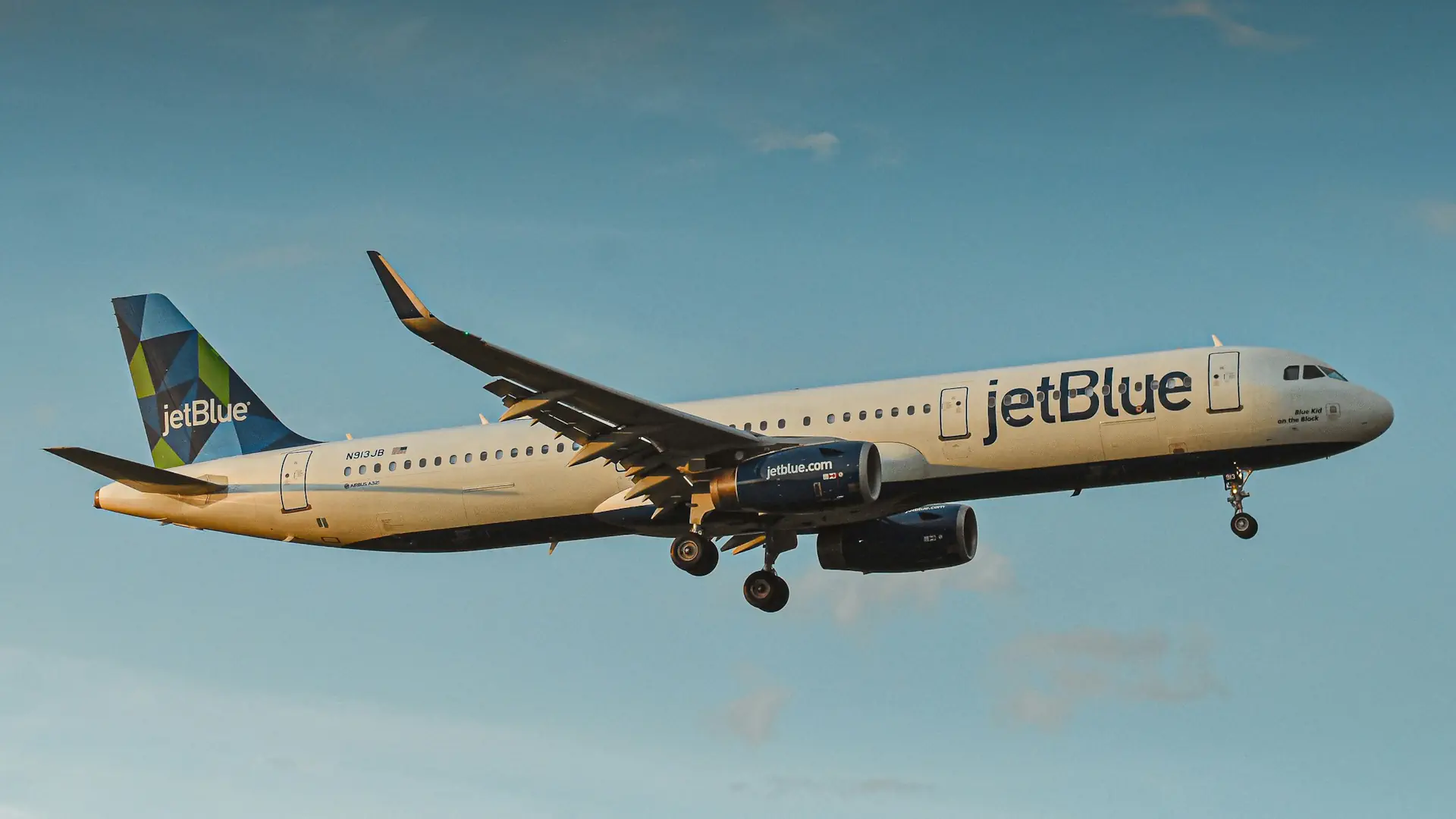
JetBlue Legroom Cut: Why Economy Pitch Drops to 30 Inches
JetBlue is cutting economy legroom from 32 to 30 inches to fit its new Blue First cabin. What changes, when it starts, and how to keep your space.
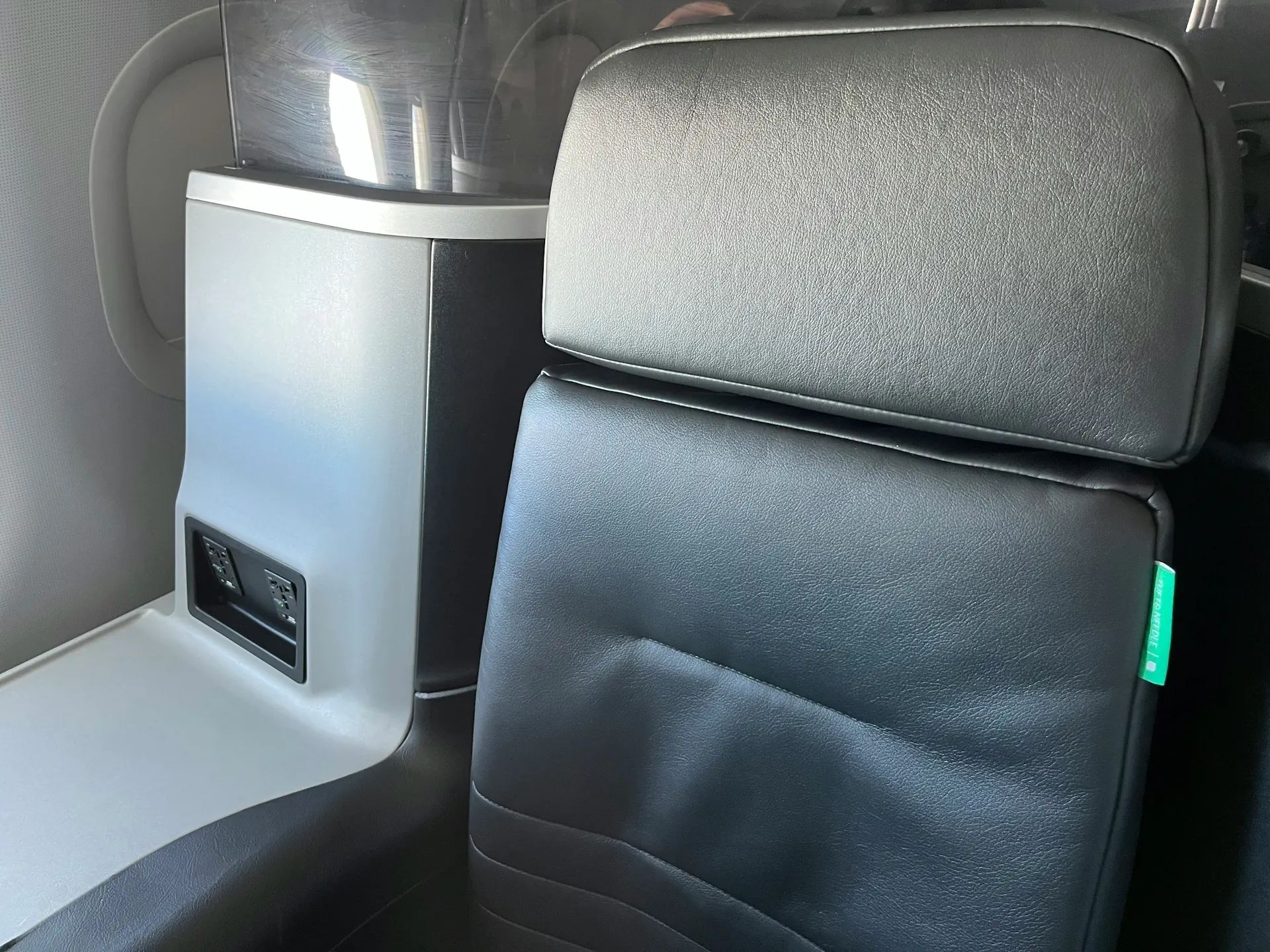
JetBlue is cutting its economy legroom from 32 inches of seat pitch to 30 inches — a two-inch reduction — across the roughly 170 Airbus A220, A320, and A321 jets that don’t carry its Mint business class. The space is being reclaimed to install a new domestic first class cabin, reportedly branded “Blue First,” with retrofits now expected to ramp up in late 2026 and run through the end of 2027. Seat width isn’t changing, and neither is the total seat count on most aircraft — but the single biggest reason travelers picked JetBlue over everyone else is officially on the way out.
What JetBlue is actually changing
First, the jargon: seat pitch is the distance from any point on a seat to the same point on the seat in front of it. It’s the industry’s standard proxy for legroom. JetBlue has long advertised the most legroom in US coach, and independent measurements back that up — a 2025 data study by Upgraded Points put JetBlue’s fleet-wide average at 32.3 inches, the best of any US airline.
Here’s how the cabins compare before and after the retrofit, based on figures JetBlue has disclosed and reporting from View from the Wing and One Mile at a Time:
| Cabin | Today | After retrofit |
|---|---|---|
| Core (standard economy) | 32″ pitch | 30″ pitch |
| Even More Space (extra legroom) | 35″–38″ depending on aircraft | Standardized at ~35″ |
| Blue First (new domestic first class) | Doesn’t exist | 36″–37″ recliners, 2-2 layout |
| Mint (lie-flat business) | Unchanged | Unchanged — Mint aircraft aren’t part of this retrofit |
What isn’t changing
This is a legroom story, not a seat-width story. Nothing in JetBlue’s disclosures or the reporting around them indicates narrower seats — JetBlue’s Airbus cabins remain among the wider economy seats in the US market at roughly 18 inches. Free high-speed Wi-Fi, seatback screens, and free snacks all stay. And according to One Mile at a Time, total aircraft capacity is expected to remain roughly the same: the first class rows are being paid for almost entirely with those two inches per economy row, not by removing seats.
Why JetBlue is shrinking its most famous perk
The short answer: the famous perk wasn’t paying its own way. JetBlue has posted losses every year since the pandemic — close to $3 billion cumulatively — and carries a debt load its own executives have had to publicly address. The airline concluded that passengers simply weren’t paying a fare premium for a nicer standard economy seat, while competitors were printing money on premium cabins JetBlue didn’t have.
Enter the new first class. Long nicknamed “Mini Mint” or “Junior Mint” internally, the product is now reportedly being branded Blue First. It uses the Collins Aerospace MiQ recliner — the same off-the-shelf seat you’ll find in American Airlines’ domestic first class — arranged 2-2 at the front of the cabin. In a March 2026 SEC filing, JetBlue disclosed plans for three to four rows of first class per aircraft, an increase from the eight-to-twelve seats originally floated.
CEO Joanna Geraghty has framed the product as first class for people who “maybe can’t afford to do it on the legacy carriers.” It also slots into a broader premium push: JetBlue opened its first-ever lounge, BlueHouse, at New York JFK’s Terminal 5 in late 2025, with Boston Logan expected to follow in mid-2026.
The rollout timeline — and why it keeps moving
If your next JetBlue flight is booked for this year, odds are good you’ll still get the full 32 inches. The retrofit happens plane by plane, and the schedule has already slipped once:
- December 2025 — Aviation insider JonNYC reports FAA certification underway, with a prototype installation targeted for June 2026 and fleet installs to begin in August 2026.
- March 2026 — JetBlue’s 8-K filing confirms three to four rows of first class fleet-wide on non-Mint aircraft.
- October 2026 (current expectation) — Per One Mile at a Time’s July 2026 reporting, the widespread rollout is now expected to begin around October, at a pace of roughly 20 aircraft per month, starting with the oldest A320s.
- Late 2027 — Best-case completion for the full non-Mint fleet.
Two practical takeaways. First, this is a lottery for the next 18 months or so: identical routes will be flown by 32-inch and 30-inch aircraft side by side, and JetBlue swaps aircraft frequently. Second, certification and installation timelines in this industry slip — treat every date above as a moving target.
How 30 inches stacks up against other US airlines
Two inches sounds trivial until you remember the entire spread between America’s roomiest and tightest economy cabins is barely four inches. Based on the Upgraded Points study and fleet-average figures compiled by Simple Flying in early 2026, here’s the landscape JetBlue is stepping into:
| Airline | Average economy pitch | Notes |
|---|---|---|
| JetBlue (today) | 32.3″ | Current US leader |
| Southwest | ~31″–31.8″ | Also trimming pitch as it adds extra-legroom rows and assigned seating |
| Delta | ~31″ | Tied with Alaska in the middle tier |
| Alaska | ~31″ | Consistent across its 737 fleet |
| American | ~30.2″ | Varies by aircraft, 30″–31″ typical |
| United | ~30.1″ | Similar spread to American |
| JetBlue (after retrofit) | 30″ in Core | Lands squarely alongside American and United |
| Hawaiian | ~29″ | Tightest of the full-service carriers |
| Spirit / Frontier | ~28″ | Ultra-low-cost floor |
The strategic picture is stark: JetBlue goes from clear best-in-class to statistically indistinguishable from American and United — while keeping a two-inch cushion over Spirit and Frontier. The bet is that seatback TVs, free Wi-Fi, and a new first class cabin will do the brand differentiation that legroom used to do alone.
How to keep your legroom on JetBlue
- Fly the unretrofitted planes while they last. Reconfigurations start with the oldest A320s. Until a specific aircraft is converted, it keeps its current 32-inch Core pitch — check the seat map at booking, and again close to departure, since aircraft swaps are common.
- Buy Even More Space when the price is right. At a standardized 35 inches post-retrofit, it becomes the only way to beat today’s Core experience — and exit-row EMS seats remain the best value for tall flyers.
- Favor the A220 for width. Its 2-3 layout means fewer middle seats and some of the widest economy seats in the US fleet, even though pitch will match the rest of the fleet after conversion.
- Watch for Blue First to go on sale. Pricing, TrueBlue award rates, and Mosaic upgrade rules haven’t been announced. If Geraghty’s “accessible” positioning holds, introductory fares could undercut legacy-carrier first class meaningfully.
- Set an aircraft-change alert. During a mixed-fleet transition, the seat you picked can turn into a different seat — or a different amount of legroom — overnight.
Frequently asked questions
When does JetBlue reduce legroom?
Aircraft-by-aircraft, starting with a retrofit program now expected to ramp up around October 2026 and run through late 2027. A flight keeps 32 inches of Core pitch until its specific aircraft is reconfigured — so 2026 flyers will mostly still see the old cabin.
Is JetBlue making its seats narrower?
No. The reduction reported and disclosed so far is in pitch (legroom), not width. JetBlue’s economy seats remain around 18 inches wide, at the roomier end of the US market.
Will JetBlue still have the most legroom in economy?
Not once the retrofit is complete. At 30 inches in Core, JetBlue will sit alongside American and United — leaving Southwest, Delta, and Alaska with more generous standard economy on average.
What is Blue First?
JetBlue’s upcoming domestic first class: Collins Aerospace MiQ recliner seats in a 2-2 layout with 36–37 inches of pitch, installed on all Airbus aircraft that don’t carry Mint. The “Blue First” name is per aviation-industry reporting; JetBlue hasn’t formally launched the brand, and pricing and loyalty-program details are still unannounced.
Is 30 inches of legroom even legal?
Yes. The FAA does not currently mandate a minimum seat pitch, and it declined to set one after reviewing evacuation safety. Spirit and Frontier operate at roughly 28 inches today, so 30 inches remains comfortably inside industry norms — if not inside your knees.
Is Even More Space changing too?
Slightly. Today it ranges up to 38 inches on some layouts; after the retrofit it standardizes at roughly 35 inches. That’s still a five-inch improvement over the new Core pitch, which arguably makes it a more compelling upsell than ever — which is, of course, part of the plan.
Figures, timelines, and product details in this article reflect JetBlue disclosures and industry reporting as of July 2026. Retrofit schedules, seat counts, and the Blue First brand name may change before launch — check JetBlue’s seat maps and official announcements before booking based on legroom.